
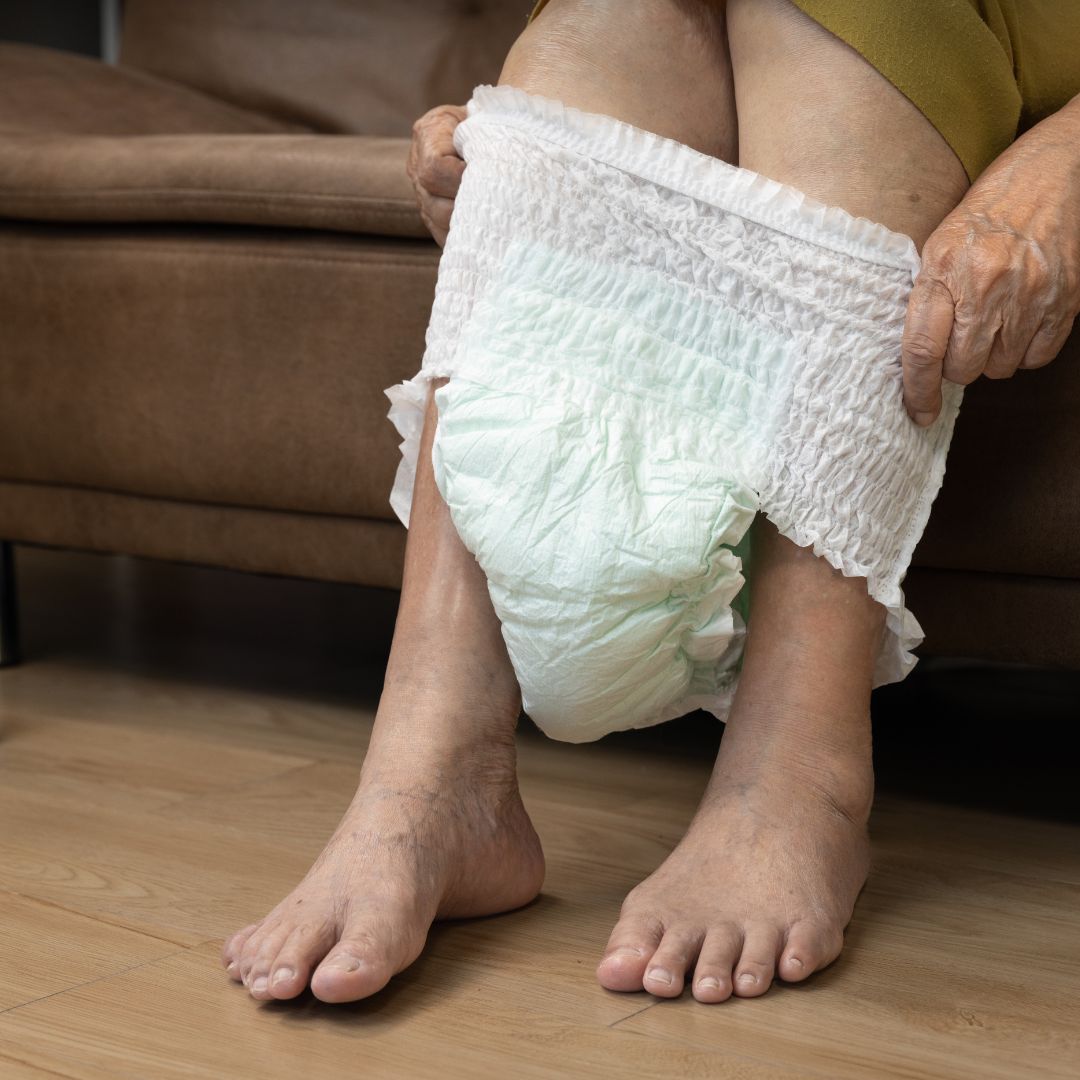
Urinary incontinence can be caused by a variety of underlying factors. While it might seem like an uncommon issue, it affects many people. Several factors can increase the risk of developing urinary incontinence. These include:
- Gender: Women are more likely to experience stress incontinence compared to men. Pregnancy, childbirth, menopause, and the normal female anatomy contribute to this higher risk. However, men with prostate problems are more prone to urge and overflow incontinence.
- Age: As people age, the muscles in the bladder and urethra gradually weaken. These age-related changes can reduce the bladder’s capacity and increase the likelihood of involuntary urine leakage. It’s important to note that aging doesn’t automatically lead to incontinence. Incontinence is not considered normal at any age except infancy.
- Obesity: Being overweight can increase pressure on the bladder and surrounding muscles. This added pressure can weaken these muscles and contribute to leakage, especially during coughing or sneezing.
- Smoking: Smoking can cause chronic coughing, which is a trigger for urinary incontinence episodes. Additionally, the constant coughing puts pressure on the urinary sphincter muscles, leading to stress incontinence in long-term smokers. Smokers are also at higher risk of developing an overactive bladder.
- Vascular diseases: Individuals with vascular diseases, which often develop with age, have a higher risk of overactive bladder.
- Strenuous exercise: High-impact activities like running, basketball, and gymnastics can trigger urinary incontinence episodes, even in healthy women. These activities exert sudden and forceful pressure on the bladder, causing urine to leak past the sphincter muscles. However, there’s no definitive evidence that strenuous exercise directly correlates with an increased risk of stress incontinence.
- Other medical conditions: Kidney disease and diabetes can increase the risk of urinary incontinence.
Key points to remember:
- Pelvic floor muscle weakness: Weakened pelvic floor muscles, often due to childbirth or aging, are a common cause of urinary incontinence, especially in women.
- Neurological conditions: Conditions like multiple sclerosis and Parkinson’s disease can affect nerve function and bladder control.
- Medications: Certain medications, such as diuretics, muscle relaxants, and some blood pressure medications, can contribute to urinary incontinence.
- Psychological factors: Anxiety and depression can affect bladder function.
- Constipation: Constipation can increase pressure on the bladder and contribute to incontinence.
- Surgical procedures: Pelvic surgeries, especially in women, can increase the risk of urinary incontinence.
- Chronic cough: Chronic cough, often associated with conditions like asthma or COPD, can put pressure on the bladder.
For Treatment in Istanbul
For the diagnosis and treatment of stress urinary incontinence, overactive bladder, mixed incontinence, overflow incontinence, functional incontinence, reflex incontinence, and temporary urinary incontinence, you can contact Prof. Dr. Ateş Karateke in Istanbul.