
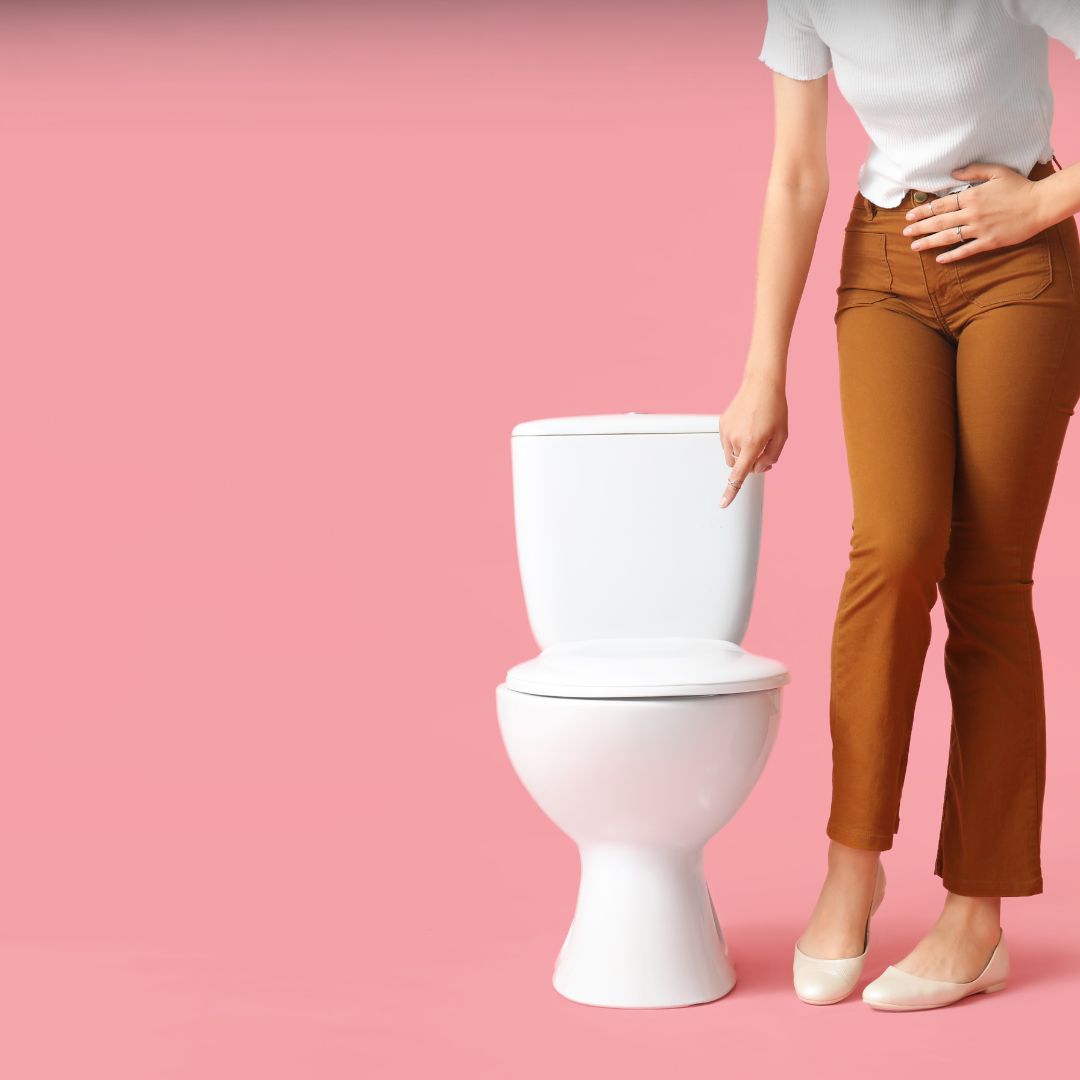
Urinary incontinence, or the involuntary leakage of urine, can be caused by a variety of factors. It often occurs when activities like laughing, coughing, or exercising increase pressure on the bladder.
Here are some common causes of urinary incontinence in women:
- Weakened pelvic floor muscles: These muscles support the bladder, uterus, and rectum. Childbirth, especially vaginal births, can weaken these muscles.
- Aging: As women age, the tissues and muscles that support the bladder and urethra can weaken.
- Menopause: Hormonal changes during menopause can contribute to urinary incontinence.
- Childbirth: Multiple pregnancies, large babies, or difficult deliveries can damage the pelvic floor muscles.
- Obesity: Excess weight puts additional pressure on the bladder and pelvic floor.
- Genetics: Some women may have a genetic predisposition to weak pelvic floor muscles.
- Chronic constipation: Straining during bowel movements can weaken the pelvic floor muscles.
- Smoking: Smoking can irritate the bladder and contribute to incontinence.
- Chronic conditions: Conditions like chronic bronchitis, diabetes, and multiple sclerosis can affect bladder control.
- Urogenital surgeries: Surgeries in the pelvic area can sometimes damage the nerves or muscles involved in bladder control.
Types of urinary incontinence:
- Stress incontinence: Leakage occurs with physical exertion or stress on the abdomen.
- Urge incontinence: A sudden, strong urge to urinate followed by involuntary leakage.
- Mixed incontinence: A combination of stress and urge incontinence.
- Overflow incontinence: Incomplete bladder emptying leading to constant dribbling.
Other factors that can contribute to urinary incontinence:
- Pelvic organ prolapse: When the pelvic organs, such as the bladder, uterus, or rectum, sag or drop out of their normal position.
- Neurological conditions: Conditions that affect the nerves controlling the bladder, such as multiple sclerosis or stroke.
- Medications: Certain medications can cause or worsen urinary incontinence.
If you are experiencing urinary incontinence, it’s important to see a healthcare provider. They can help you determine the underlying cause and recommend appropriate treatment options.
Treatment options may include:
- Pelvic floor exercises: To strengthen the muscles that support the bladder.
- Medications: To help relax the bladder or improve muscle tone.
- Bladder training: To help you establish a regular urination schedule.
- Surgery: In some cases, surgery may be necessary to correct underlying anatomical problems.
For Treatment in Istanbul
For the diagnosis and treatment of stress urinary incontinence, overactive bladder, mixed incontinence, overflow incontinence, functional incontinence, reflex incontinence, and temporary urinary incontinence, you can contact Prof. Dr. Ateş Karateke in Istanbul.