
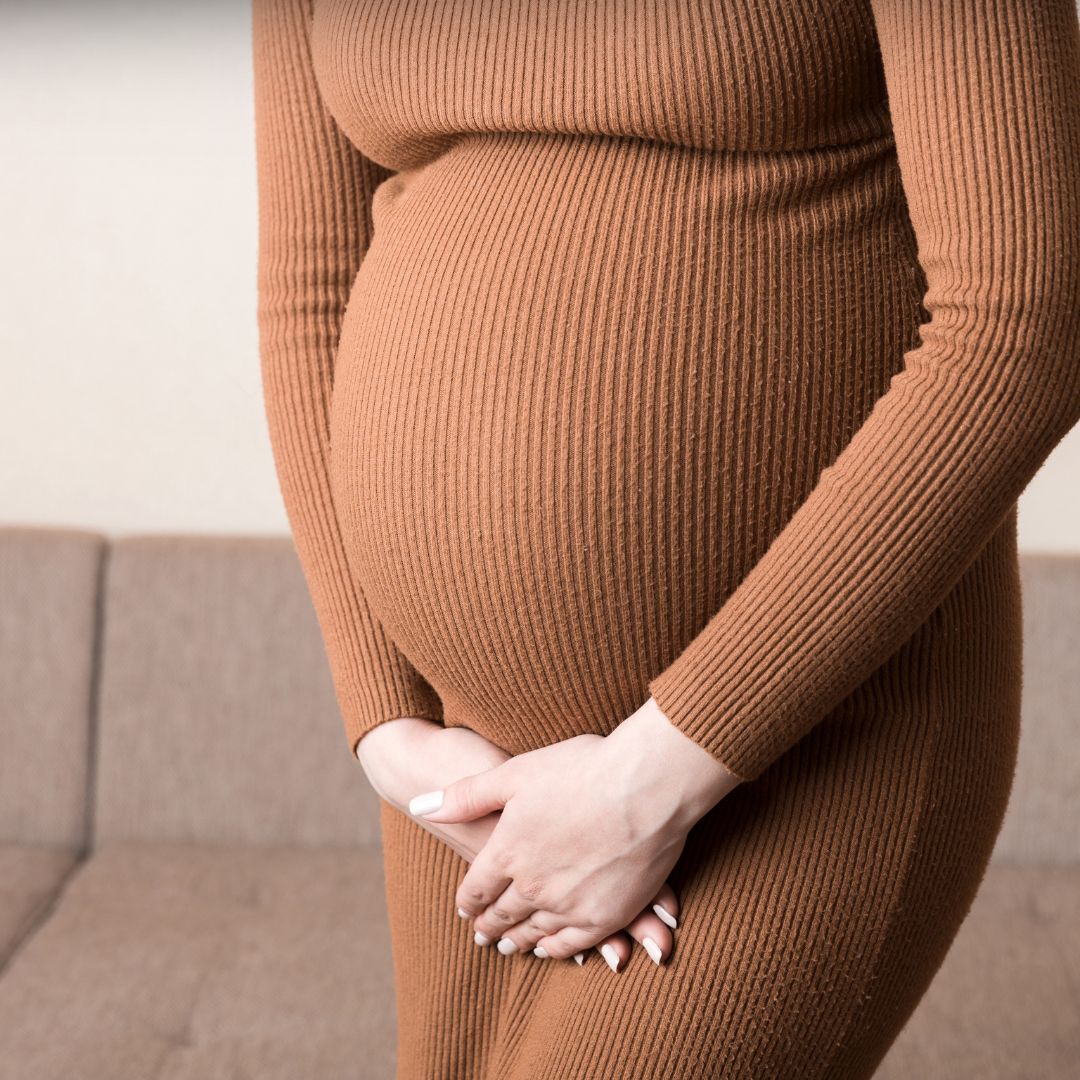
Urinary incontinence is a common complaint among pregnant women. It involves the involuntary loss of urine, often triggered by activities such as coughing, sneezing, or laughing. While many women experience this during pregnancy, it’s important to note that it’s not a normal part of pregnancy and should be discussed with a healthcare provider.
Causes of Urinary Incontinence During Pregnancy
- Pressure on the bladder: As the baby grows, it puts increasing pressure on the bladder, leading to more frequent urination and potentially, leakage.
- Hormonal changes: The hormone progesterone, which relaxes the muscles of the body, can also relax the muscles of the bladder and urethra, leading to leakage.
- Weakened pelvic floor muscles: The pelvic floor muscles support the bladder, uterus, and rectum. During pregnancy, these muscles can stretch and weaken, contributing to incontinence.
- Urinary tract infections: UTIs can irritate the bladder and increase the urge to urinate.
Types of Urinary Incontinence During Pregnancy
- Urge incontinence: A sudden, strong urge to urinate that is difficult to control.
- Stress incontinence: Leakage that occurs with physical activity or stress on the abdomen.
Treatment Options
- Pelvic floor exercises (Kegels): These exercises can help strengthen the pelvic floor muscles and improve bladder control.
- Lifestyle changes: Limiting fluid intake before bedtime, avoiding bladder irritants like caffeine and alcohol, and maintaining a healthy weight can help.
- Medications: In some cases, medications may be prescribed to help manage symptoms.
- Physical therapy: A physical therapist can provide guidance on pelvic floor exercises and other techniques.
When to See a Doctor If you experience urinary incontinence during pregnancy, it’s important to talk to your healthcare provider. They can help you determine the cause of your symptoms and recommend appropriate treatment.
Preventing and Managing Urinary Incontinence
- Stay hydrated: Drink plenty of fluids throughout the day, but avoid drinking large amounts of fluid right before bed.
- Avoid bladder irritants: Limit your intake of caffeine, alcohol, and acidic foods.
- Practice good bladder habits: Try to urinate regularly and avoid straining.
- Do Kegel exercises: These exercises can help strengthen the pelvic floor muscles and improve bladder control.
For Treatment in Istanbul
For the diagnosis and treatment of stress urinary incontinence, overactive bladder, mixed incontinence, overflow incontinence, functional incontinence, reflex incontinence, and temporary urinary incontinence, you can contact Prof. Dr. Ateş Karateke in Istanbul.