
Behavioral Techniques
Behavioral techniques and lifestyle changes are crucial and beneficial for treating certain types of urinary incontinence. In some cases, they may be the only necessary form of treatment.
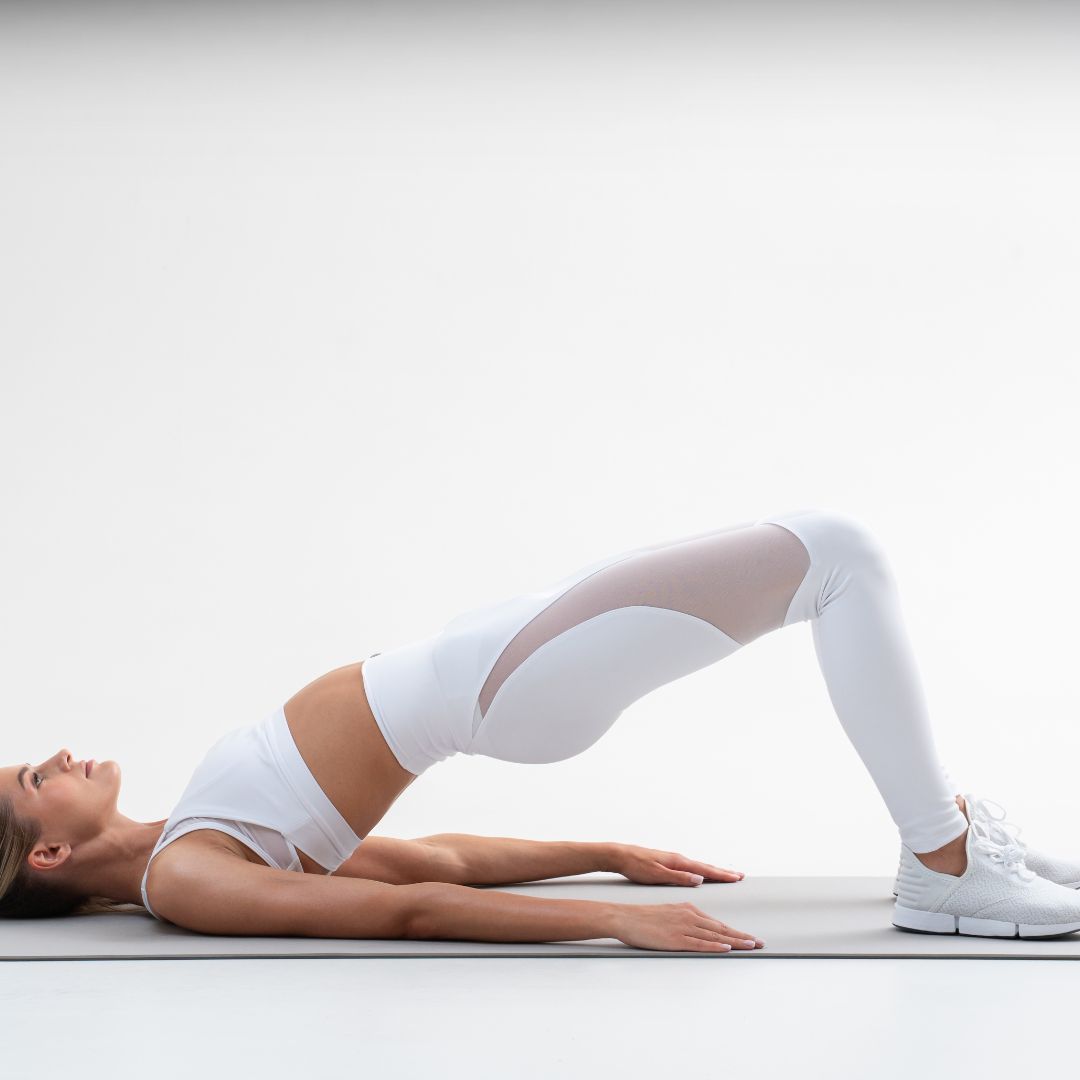
Pelvic floor muscle exercises (also known as Kegel exercises) are designed to strengthen the urinary sphincter and pelvic floor muscles, which help control urination. Doctors often recommend doing these exercises regularly to treat urinary incontinence, especially stress incontinence. However, they can also assist in managing urge incontinence.
To perform Kegel exercises, imagine trying to stop the flow of urine while urinating. The muscles used to stop the flow are the same muscles targeted during Kegel exercises. Contract these muscles and count to ten. Then, relax for another ten seconds before repeating the exercise. This exercise can be done anytime and anywhere—while driving, watching TV, cooking, working, or even ironing.
It can sometimes be challenging to ensure you’re contracting the right muscles during Kegel exercises. However, if you feel a lifting sensation when you contract the muscles, you are likely using the correct ones. To verify, you can try performing the exercise in front of a mirror. Only the pelvic floor muscles should contract; the abdominal, hip, or thigh muscles should remain relaxed. Another method to check is the “finger test.” Insert a finger into the vagina or anus and then squeeze around it. If you feel pressure, you’re likely engaging the pelvic floor muscles.
If you’re still unsure about whether you’re contracting the correct muscles, ask your doctor for assistance. They can help identify the correct muscles and guide you through biofeedback techniques. After performing pelvic floor muscle exercises correctly for a few months, you may notice an improvement in bladder control. You can also contract the pelvic floor muscles to control leakage when you feel a sudden urge to urinate, or during coughing or sneezing.
Bladder Training
Your doctor may recommend bladder training, either on its own or in combination with other treatments, to help control urge incontinence or other types of urinary incontinence. Bladder training involves learning to delay urination when you feel the urge. Start by holding off for about ten minutes each time you feel the urge, then gradually increase the wait time to 20 minutes. The ultimate goal is to extend the interval between bathroom trips to one to three hours.
Bladder training also includes double voiding, where you wait a few seconds after urinating and then try again. This exercise helps to empty the bladder more completely, which can prevent overflow incontinence. Additionally, bladder training teaches control over the urge to urinate. When you feel the need to go, it’s recommended to relax by taking slow, deep breaths or distracting yourself with another activity.
Scheduled Bathroom Trips
This technique involves going to the bathroom at regular, predetermined times rather than waiting for the urge to urinate. A common recommendation is to use the bathroom every two hours to prevent unexpected leaks.
Managing Fluid Intake and Diet
In some cases, regaining bladder control requires changes to daily habits. For instance, reducing or eliminating alcohol or caffeine may be necessary if they are contributing to urinary incontinence. Similarly, if acidic foods are irritating the bladder, avoiding these triggers can help. For some people, simply restricting fluid intake before bedtime is enough to resolve the problem. Weight loss can also be an effective way to manage urinary incontinence.
For Treatment in Istanbul
For the diagnosis and treatment of stress urinary incontinence, overactive bladder, mixed incontinence, overflow incontinence, functional incontinence, reflex incontinence, and temporary urinary incontinence, you can contact Prof. Dr. Ateş Karateke in Istanbul.