
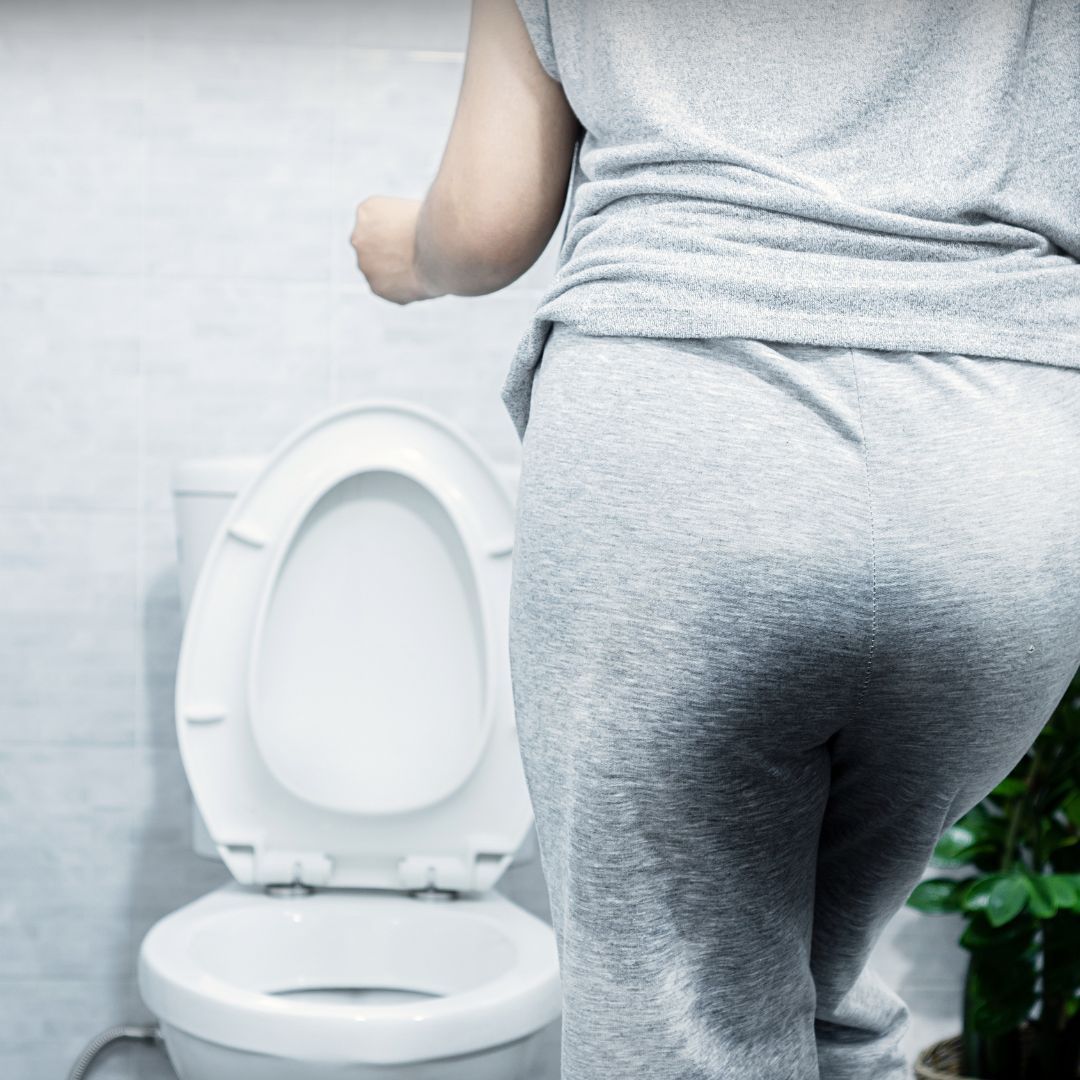
Urinary incontinence, or the inability to control bladder function, is a common problem that can cause embarrassment for many individuals. The severity of urinary incontinence can range from occasional leaks, such as during a sneeze or cough, to a sudden, intense urge to urinate that leaves the person unable to reach the toilet in time. In some cases, the urge can be so strong that it becomes impossible to hold until reaching a bathroom.
Despite the large number of people who suffer from this issue, urinary incontinence is not a natural consequence of aging, childbirth, or hormonal changes after menopause in women. It is a medical condition with various causes, some simple and specific to the individual, and others more complex. If a person is experiencing bladder control issues that impact daily life, they should consult a doctor without hesitation. In most cases, urinary incontinence is a treatable condition. Even if it cannot be completely resolved, modern products and treatment methods for incontinence can greatly reduce discomfort and inconvenience.
Symptoms
Urinary incontinence refers to the loss of control over the bladder’s ability to store urine. The severity can vary: some people may only experience occasional minor leaks, while others may suffer from more significant wetting episodes. In rare cases, urinary incontinence may also involve loss of control over bowel movements, known as fecal incontinence.
There are several types of urinary incontinence:
- Stress Incontinence
Stress incontinence occurs when urine leaks due to pressure applied to the bladder, such as during coughing, sneezing, laughing, exercising, or lifting something heavy. It happens when the muscles around the bladder weaken. This issue is especially noticeable when the bladder is full. Stress incontinence is one of the most common forms of urinary incontinence and is more frequently observed in women. It can result from physical changes due to pregnancy, childbirth, or menopause. - Urge Incontinence
Urge incontinence involves a sudden, intense need to urinate, which is often followed by an involuntary loss of urine. The bladder muscles contract, giving the person only a few seconds to a minute to reach the toilet. People with urge incontinence may feel the need to urinate frequently, even waking up several times during the night. It can be triggered by hearing running water or drinking a small amount of liquid, and it may even occur when transitioning from sitting to standing. Urge incontinence can be caused by urinary tract infections, bladder irritants, or neurological conditions such as multiple sclerosis, Parkinson’s disease, Alzheimer’s, or as a result of stroke or injury. In urge incontinence, the bladder is often overactive, meaning it contracts even when it’s not full. This condition is often referred to as “overactive bladder.” - Overflow Incontinence
If frequent or constant dribbling of urine occurs, it may indicate overflow incontinence. This type happens when the bladder cannot empty completely, leading to overflow. People with this condition may feel that their bladder is never fully emptied, and when they try to urinate, they may only release a small amount. Overflow incontinence is more common in individuals with damaged bladders or blocked urethras. Nerve damage from conditions such as diabetes can also lead to this type of incontinence. Certain medications can cause or increase the risk of overflow incontinence. - Mixed Incontinence
If someone exhibits symptoms of both stress and urge incontinence, they may have mixed incontinence. In this case, one type of incontinence is usually more bothersome than the other. - Functional Incontinence
In elderly individuals, especially those in nursing homes, urinary incontinence may result from physical or mental impairments that prevent them from reaching the toilet in time. For instance, patients with severe arthritis may be unable to move quickly enough to avoid an accident. Similarly, people with Alzheimer’s disease may not be able to coordinate their bathroom visits in a timely manner. This form of incontinence is known as functional incontinence. - Gross Total Incontinence
Gross total incontinence refers to constant or periodic large-scale leakage of urine without control. This can occur day and night, with no ability to retain urine in the bladder. Some people experience this type of incontinence due to congenital anatomical defects. It may also result from spinal cord injuries or damage to the urinary system during surgery. Abnormal openings between the bladder and adjacent structures, such as the vagina (a fistula), can also lead to gross total incontinence.
Causes
Urinary incontinence is not a disease but a symptom. It indicates an underlying issue or condition that is usually treatable and should be addressed. A thorough medical examination will help determine the cause of the patient’s incontinence and identify potential treatment options.
The Importance of Bladder Control
When urine is being stored, the bladder muscles are relaxed, allowing it to expand. While the bladder relaxes, the pelvic floor muscles increase their contractions to provide support. The bladder and pelvic floor muscles work together to ensure urine remains stored without leaks. As the bladder fills, it sends signals to the brain. In response, when it’s the appropriate time and place—such as in the bathroom—the pelvic floor muscles relax. This allows the bladder to contract and empty urine through the urethra.
For Treatment in Istanbul
For the diagnosis and treatment of stress urinary incontinence, overactive bladder, mixed incontinence, overflow incontinence, functional incontinence, reflex incontinence, and temporary urinary incontinence, you can contact Prof. Dr. Ateş Karateke in Istanbul.